
Reliable Hot Water When the System Fails
Water Heater Installation and Repair in Happy Valley for sudden temperature loss, system failure, and inconsistent hot water supply
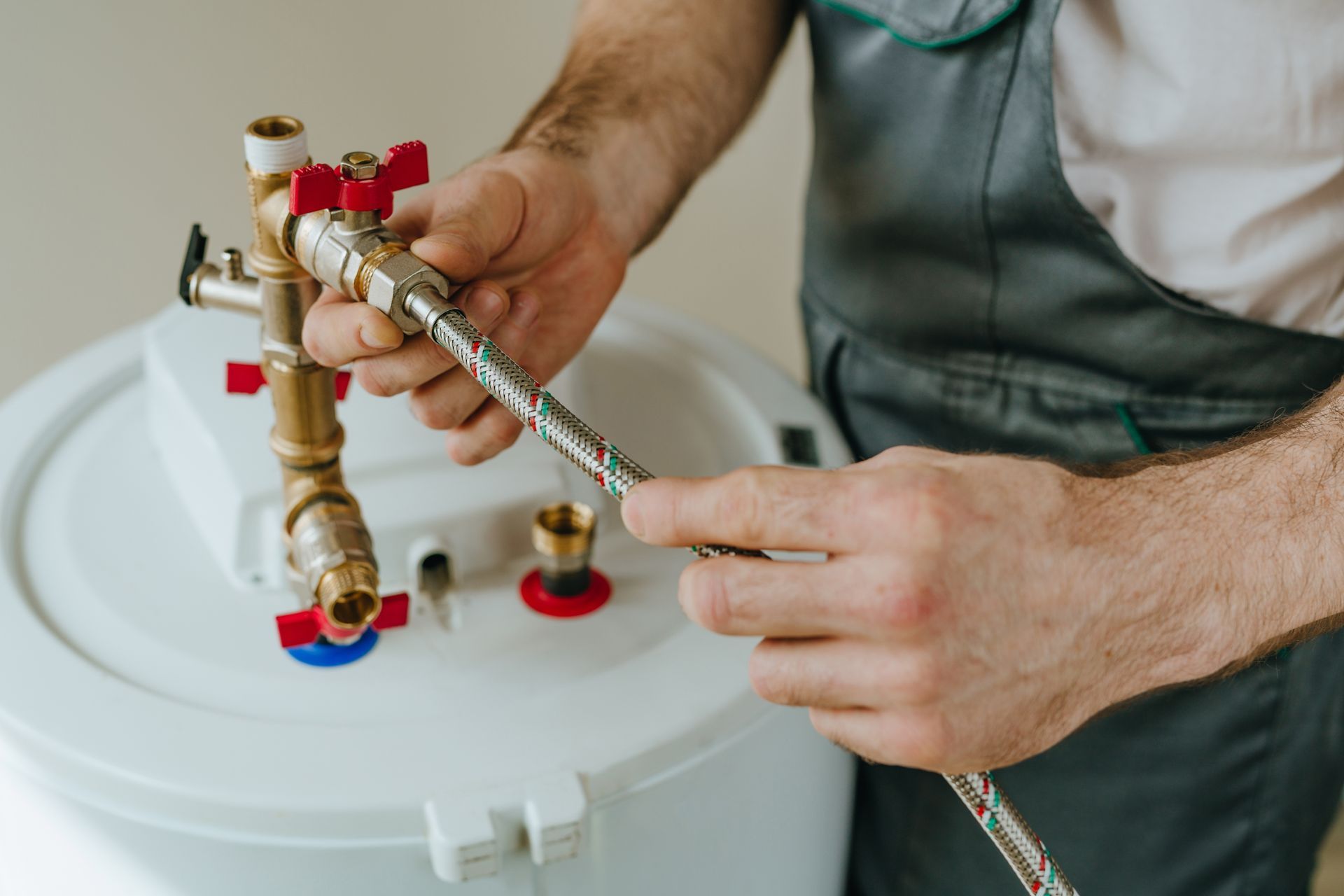
Midtown Plumbing handles water heater installation and repair throughout Happy Valley and surrounding Clackamas County communities when your system stops producing hot water, delivers inconsistent temperatures, or fails completely. Whether you're facing a morning without hot showers or noticing your current unit can't keep up with household demand, proper diagnosis and correctly sized replacement equipment restore dependable performance. The difference between a water heater that lasts eight years and one that runs efficiently for twelve often comes down to installation precision and matching the unit capacity to actual usage patterns.
This service addresses both traditional tank-style units and tankless systems, resolving failures caused by sediment buildup, corroded tanks, faulty heating elements, or undersized equipment that never met the property's actual hot water needs. Pacific Northwest water hardness accelerates mineral accumulation inside tanks, which reduces heating efficiency and eventually leads to element failure or tank rupture. Repair work targets specific component failures when the tank itself remains sound, while installation involves removing the old unit, verifying gas line or electrical capacity matches the new system requirements, and testing all connections under pressure before the job is considered complete.
Schedule a property evaluation to determine whether repair or replacement makes sense for your current system age and condition.
What Proper Water Heater Work Delivers
Installation starts with calculating your actual hot water demand based on the number of bathrooms, appliances, and simultaneous usage patterns, then matching that to a unit with appropriate first-hour rating for tank models or flow rate for tankless systems. Undersized water heaters run constantly and fail early, while oversized tanks waste energy heating water that never gets used. Proper venting for gas units and correct electrical panel capacity for high-demand electric models aren't optional steps—they're code requirements that affect both safety and system longevity.
Once the new unit is installed or repairs are completed, you'll notice consistent water temperature at every fixture, faster recovery between uses if you've upgraded from an undersized tank, and lower utility bills when replacing an aging system with a modern high-efficiency model. Tankless installations eliminate the wait for a storage tank to refill and reheat, though they require adequate gas line sizing to supply the burner demand. Tank-style units provide large volume reserves suitable for households that use significant hot water during short periods.
Every installation from Midtown Plumbing includes manufacturer warranties on the tank and components, plus labor guarantees that cover the installation work itself. Regular maintenance—draining sediment from tank models annually and descaling tankless heat exchangers in hard water areas—extends system life and preserves efficiency, preventing the premature failures that come from neglected buildup.
Questions Homeowners Ask About Water Heater Work
Decisions about repair versus replacement and choosing between tank and tankless systems depend on your specific situation, existing infrastructure, and how your household uses hot water.
What determines whether a water heater should be repaired or replaced?
Age is the primary factor—if the unit is beyond eight years old and requires a major component replacement like a new tank or heat exchanger, replacement usually makes more financial sense than investing in repairs for a system nearing the end of its expected lifespan.
How does Happy Valley's water quality affect water heater performance?
Clackamas County water contains mineral content that accelerates sediment accumulation inside tank water heaters, which insulates the heating element from the water and forces the system to run longer cycles to reach target temperature, increasing wear and energy costs.
What capacity water heater does a typical household need?
A three-bathroom home with standard appliances typically requires a 50-gallon tank or a tankless unit rated for at least 8 gallons per minute, though actual demand varies based on whether occupants take simultaneous showers or run appliances during peak morning hours.
Why do tankless water heaters require larger gas lines?
Tankless burners fire at 150,000 to 200,000 BTU to heat water on demand, compared to 40,000 BTU for standard tank models, which means existing half-inch gas lines often need upgrading to three-quarter-inch to supply adequate fuel flow.
What ongoing maintenance does a water heater require?
Tank models need annual draining to remove sediment that settles at the bottom, while tankless systems require periodic descaling with vinegar or citric acid solution to clear mineral deposits from the heat exchanger coils.
Midtown Plumbing provides free installation quotes that include equipment options, capacity recommendations based on your household size, and clear pricing for both the unit and labor. Call (503) 729-7956 to arrange an assessment when your current system shows signs of failure or no longer meets your hot water needs.