
Stop Leaks Before They Damage Your Property
Pipe Repair in Happy Valley for cracked lines, visible leaks, and failing connections before water spreads
A pipe leaks behind your water heater, inside the wall cavity near a bathroom fixture, or beneath the slab where you can't see it until the damage spreads. Midtown Plumbing handles pipe repair across Happy Valley, Portland, Clackamas, Milwaukie, and surrounding Oregon communities where older galvanized steel lines and temperature swings cause unexpected failures. Accurate diagnosis confirms whether a pinhole leak in copper tubing or a cracked fitting under the foundation requires targeted repair or full section replacement.
The service locates the damaged section using pressure testing and visual inspection, then isolates the affected area to minimize cutting into drywall or concrete. Repairs replace failed segments with durable materials matched to your existing system, restoring full water pressure and preventing further moisture intrusion.
Schedule a property evaluation to identify specific pipe damage and determine whether repair or replacement makes sense for your system.
What Proper Pipe Repair Requires
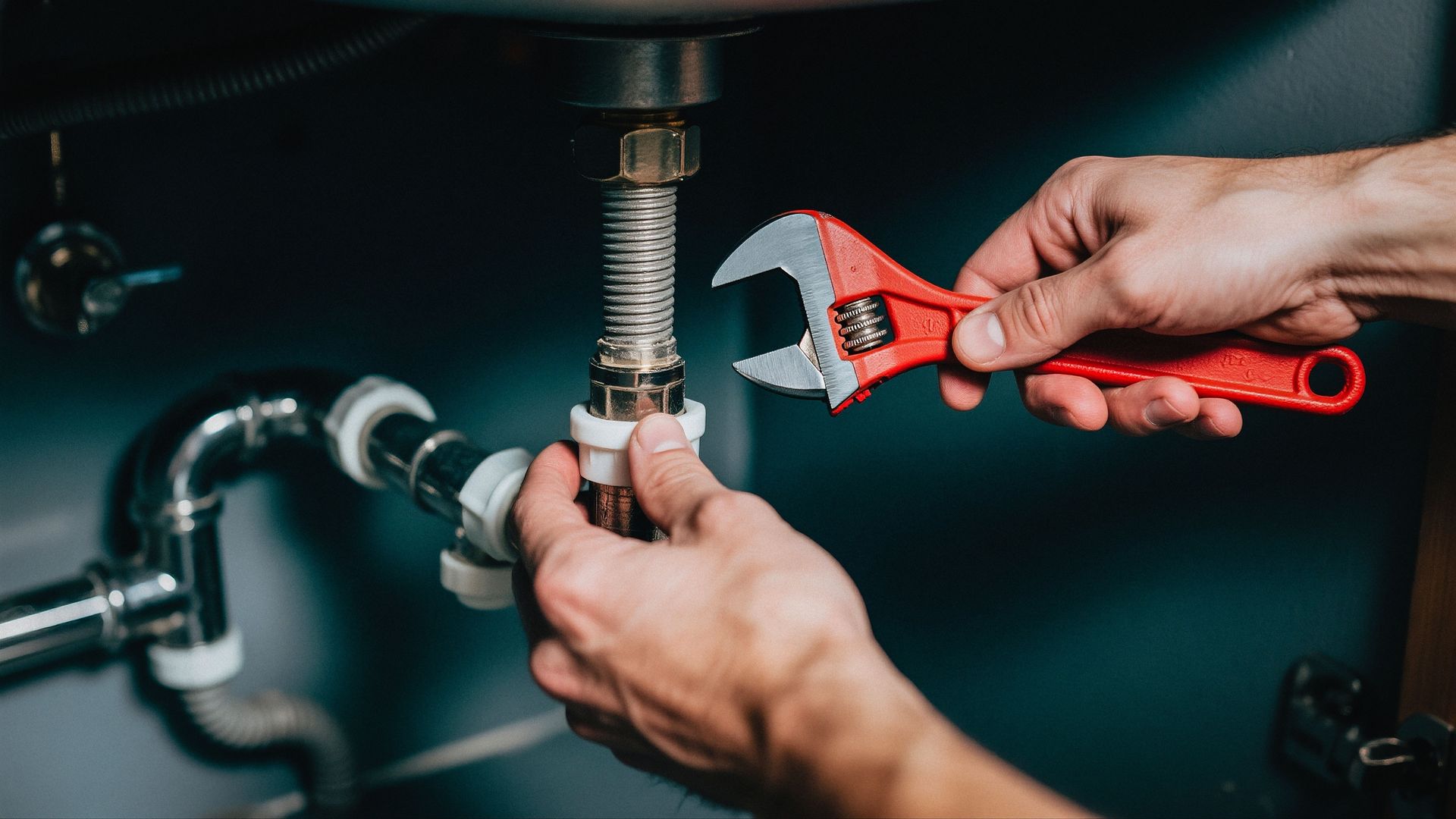
The work begins with shutting off water to the affected zone, draining the line, and exposing the damaged section with minimal disruption to surrounding surfaces. Technicians cut out the compromised pipe segment, clean and prepare the connecting ends, then install a new fitting or length of pipe using soldering, compression fittings, or approved push-connect couplings depending on material type and code requirements.
After the repair is finished, you'll notice consistent water pressure at fixtures, no visible moisture on walls or ceilings, and a drop in unexplained water usage on your utility bill. Midtown Plumbing warranties the work and materials, so recurring leaks at the repair site are addressed without additional service charges.
The decision to repair versus replace depends on pipe age, corrosion level, and whether multiple failures suggest systemic deterioration. A single leak in a twenty-year-old copper system usually justifies repair, while recurring failures in galvanized lines often mean broader replacement prevents ongoing problems.
What Property Owners Usually Ask
Pipe repair questions often focus on timeline, material compatibility, and whether patching a single leak prevents future failures elsewhere in the system.
How do you locate a pipe leak without tearing up the entire wall?
Pressure testing and moisture detection narrow the search zone, then small access openings confirm the exact failure point before cutting into drywall or flooring.
What materials work best for repairing older copper or galvanized systems?
Copper-to-copper repairs use soldered joints, while transitions to PEX or CPVC involve approved dielectric fittings that prevent galvanic corrosion and maintain code compliance.
When should I consider full repiping instead of repairing individual leaks?
If you've repaired three or more leaks within two years, or if your home was built before 1970 with original galvanized piping, replacing the affected zones usually costs less than continuous patching and water damage repairs.
How long does a typical pipe repair take?
Most single-leak repairs finish within two to four hours once the damaged section is accessed, including cleanup and pressure testing to verify the fix holds.
Will repair work affect water quality or pressure in other parts of the house?
Properly executed repairs restore original flow rates and do not introduce sediment or air pockets, though you may notice brief discoloration after the system refills and air clears from the lines.
Midtown Plumbing responds to active leaks across Happy Valley and surrounding areas with fast diagnostics and honest recommendations on whether targeted repair or broader replacement protects your property long-term. Request a free estimate for pipe repair service or immediate response for leaks causing visible water damage.