Sewer Lines That Clear Waste Properly
Sewer Installation and Repair in Happy Valley for backed-up drains, collapsed pipes, tree root intrusion, and aging sewer infrastructure
Midtown Plumbing addresses sewer line failures in Happy Valley when waste backs up into floor drains, toilets flush slowly throughout the house, or camera inspection reveals collapsed sections and root infiltration that can't be cleared with routine snaking. This service includes repairing damaged pipe sections and installing entirely new sewer lines for properties where the existing system has reached the end of its functional life. Older clay tile and cast iron sewer lines common in pre-1980 Oregon homes develop cracks and joint separations that allow roots to enter and create blockages, eventually progressing to full collapse that stops all drainage.
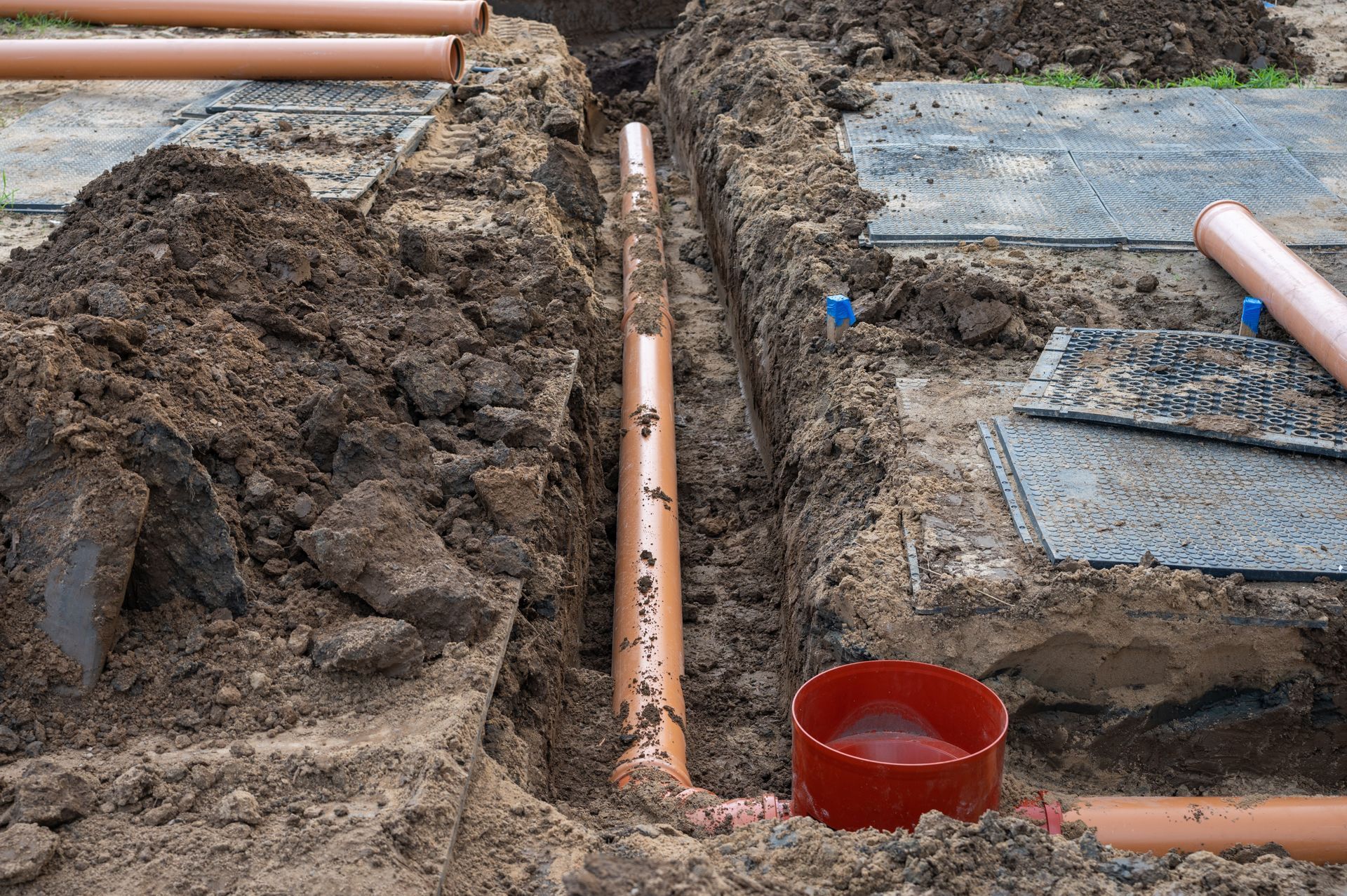
Sewer work starts with camera inspection to identify the exact location and nature of the failure—whether it's root intrusion at joints, bellied pipe sections that trap solids, or complete structural collapse. Modern sewer installation uses PVC or HDPE pipe with sealed joints that roots can't penetrate, installed at consistent grade to maintain flow velocity that prevents solid accumulation. The work involves excavating to expose the damaged section, removing old pipe, bedding new pipe in gravel for proper support, and backfilling with compacted soil that won't settle and create surface depressions.
Schedule an inspection to identify the cause of recurring backups or slow drainage before minor sewer damage progresses to emergency failure.
What Sewer Repair and Installation Prevents
Proper sewer line installation requires maintaining quarter-inch drop per foot of horizontal run so waste moves by gravity without requiring excessive water volume to push solids along. Sections that are too flat allow solids to settle and create blockages, while sections that drop too steeply can cause water to outrun solids and leave waste stranded in the pipe. Connections to the municipal main or septic tank must be sealed to prevent groundwater infiltration, which overloads treatment systems and introduces clean water into sewer systems that aren't designed to handle the additional volume.
Once sewer installation or repair is complete, you'll notice toilets that flush with full force and clear completely, floor drains that accept water without backing up, and elimination of the sewage odors that occur when cracked pipes allow gases to escape into soil around the foundation. The yard surface returns to grade without settling, and landscaping can be restored without concern that roots will immediately re-infiltrate the new line. These outcomes depend on correct pipe bedding and joint sealing, not just getting new pipe into the ground.
Midtown Plumbing coordinates sewer work to minimize property disruption, using the most direct path from the house to the connection point and restoring excavated areas to match existing grade and surface conditions. Durable materials and proven installation methods prevent the premature failures that occur when shortcuts are taken during backfilling or when joints aren't properly sealed before burial.
Questions Property Owners Ask Before Sewer Work
Sewer projects involve significant excavation and cost, so understanding what the work includes and what determines repair versus replacement helps you plan appropriately.
What indicates a sewer line needs replacement rather than cleaning?
Recurring blockages in the same location despite snaking, multiple collapsed sections visible on camera inspection, or widespread root intrusion through deteriorated joints all suggest the line has reached the point where partial repairs won't restore reliable function.
How does Happy Valley soil affect sewer line installation?
Clackamas County's clay-heavy soil expands when wet and contracts during dry summer months, which can shift improperly bedded sewer pipes and create bellies or joint separations that trap solids and allow roots to enter.
Why do tree roots target sewer lines?
Roots grow toward moisture and nutrient sources, and even small cracks or poorly sealed joints in sewer pipes release water vapor that attracts roots, which then expand inside the pipe and create blockages or break the pipe apart completely.
What sewer line materials perform best long-term?
Schedule 40 PVC with solvent-welded joints creates a continuous sealed pipe that resists root intrusion and chemical degradation, while maintaining smooth interior surfaces that prevent solid accumulation better than the rough interiors of clay or cast iron.
How long does sewer line installation typically take?
A straightforward residential main line replacement from house to street connection generally requires two to three days including excavation, pipe installation, inspection, and backfill compaction, though timelines extend when working around mature landscaping or encountering rock that requires specialized equipment.
Experienced teams at Midtown Plumbing handle sewer work that meets code requirements and delivers long-term system reliability. Call (503) 729-7956 to request camera inspection and discuss your sewer line concerns with licensed professionals who can explain your options clearly.