
Systems Designed for Decades of Use
New Construction Plumbing in Happy Valley for residential builds, commercial properties, and major additions requiring complete plumbing infrastructure
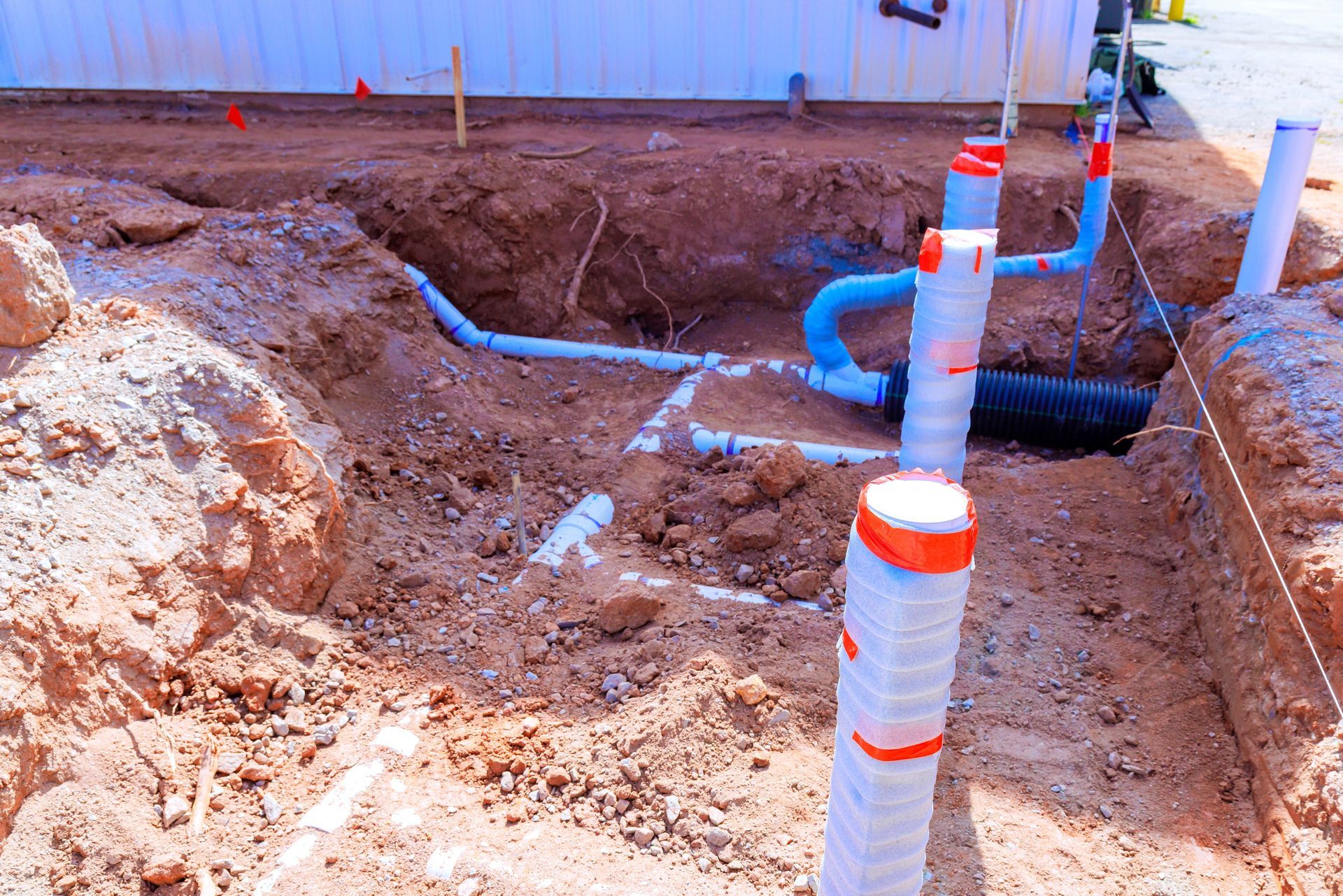
Planning determines whether a new building's plumbing system delivers consistent pressure, drains reliably, and accommodates future maintenance without requiring wall demolition. Midtown Plumbing designs and installs complete plumbing systems for new construction projects in Happy Valley and throughout Clackamas County, working with builders and property owners from initial rough-in through final fixture installation. This service handles everything from sizing the main water service and designing efficient supply routing to locating drain vents where they won't interfere with structural framing and positioning cleanouts for accessible future maintenance.
New construction plumbing starts with reviewing building plans to identify conflicts between plumbing layouts and structural elements, then coordinating with framers and electricians so pipes, wires, and HVAC ducts don't compete for the same wall cavities and ceiling spaces. Supply line sizing must account for fixture unit counts and pressure loss over distance, while drain line slopes require consistent quarter-inch per foot grade to move waste effectively. Vent stacks need adequate diameter to prevent drain gurgling and slow flow, and water heater locations must allow for future replacement without removing walls or cutting through finished spaces.
Discuss project scope and timeline requirements to coordinate plumbing installation with your construction schedule and receive detailed material and labor estimates.
What Proper New Construction Plumbing Requires
Rough-in work positions supply stubs and drain connections at exact heights and locations to match fixture specifications, accounting for finished floor and wall thickness so faucets mount flush and drains align correctly after tile and other finishes are installed. Supply lines are secured to framing at proper intervals to prevent vibration and water hammer, and drain lines are supported to maintain grade without sagging. Testing involves pressurizing supply systems and filling drain lines to verify no leaks exist before insulation and drywall cover the rough plumbing.
After final installation, the building has consistent water pressure at all fixtures regardless of simultaneous use elsewhere, drains that clear quickly without gurgling or standing water, and accessible shutoff valves for each fixture to allow repairs without shutting down the entire system. Water heaters are positioned where they minimize pipe runs to high-demand fixtures, reducing the wait time for hot water and cutting heat loss through long supply lines. Gas appliances receive correctly sized supply lines that deliver adequate fuel flow without pressure drop during peak demand.
Midtown Plumbing coordinates with inspection schedules to ensure rough-in and final plumbing work passes code review without delays, and all installations meet current Oregon plumbing standards for materials, methods, and fixture clearances. High-quality workmanship during the rough-in phase prevents callbacks and warranty issues that result from improper support, incorrect slopes, or undersized components that create problems only after the building is occupied.
Answers to Frequent Construction Plumbing Questions
New construction involves numerous decisions about system layout, materials, and capacity that affect both initial cost and long-term performance.
What separates adequate new construction plumbing from systems that cause ongoing problems?
Proper supply line sizing prevents pressure loss to distant fixtures, correct drain venting eliminates slow flow and trap siphoning, and accessible cleanout placement allows future maintenance without cutting into finished walls when blockages eventually occur.
How does Happy Valley's water pressure affect system design?
Municipal water pressure in Clackamas County typically ranges from 50 to 80 PSI, which requires pressure-reducing valves on systems at the higher end to prevent excessive stress on fixtures and appliances that shortens their service life.
Why is vent stack placement critical in new plumbing?
Every drain trap needs adequate venting to prevent siphoning that pulls water out of the trap and allows sewer gas into occupied spaces, but vent routes must avoid interference with roof trusses and must extend above the roof line at code-specified distances from windows and air intakes.
What plumbing decisions should be made before framing begins?
Main drain line routing through floor joists, water heater location, fixture placement that affects wall framing and blocking requirements, and whole-house water treatment equipment positioning all need finalization before framing locks in wall and floor configurations.
How long does plumbing installation take during typical residential construction?
Rough-in plumbing for a standard single-family home requires three to five days, while final fixture installation and testing adds another two to three days after interior finishes are complete, though timelines vary based on fixture count and complexity.
Careful planning and experienced installation from Midtown Plumbing result in plumbing systems that meet code requirements and function reliably for the building's entire service life. Request a detailed quote by calling (503) 729-7956 to review your construction plans and coordinate plumbing work with your project timeline.